here is a very cute article found on http://www.walmartlivebetter.ca/kids/babies-and-toddlers/4-steps-to-prepare-your-pet-dog-for-new-baby-arrival/
Prepping your pooch before your baby’s arrival is the key to a happy family dynamic. Here are some essential tips for a smooth transition.

Photo: istock/AleksandarNakic
1. Brush up on commands
You might laugh at your rambunctious dog now, but his playful antics won’t seem so funny once you’re busy with your baby. “This is the time to clean up some of the things he’s so-so at,” says Bianca Moore, operations manager and dog trainer at Calgary’s Clever Canines. She recommends reaching out to a professional if your dog hasn’t had any formal training: “Having really solid obedience commands will make things much easier on both you and your dog.”
2. Establish a new routine
It’s important to introduce your dog to the routine you envision once your baby has arrived. For example, practise walking your pooch while pushing a stroller, so he gets used to that activity. “Dogs like to know exactly what’s expected of them-what they’re allowed and not allowed to do,” says Moore, who notes it’s often the stress from a change in their regimen that causes them to act out.
Creating clear boundaries around the baby’s stuff is also helpful. “Pick a distance that you want your dog to stay away from the car carrier seat, say a five-foot radius, then move the seat around your home so the radius moves with it,” says Moore. “This teaches the dog to steer clear of the carrier regardless of where it is.”
Photo: istock/AleksandarNakic
1. Brush up on commands
You might laugh at your rambunctious dog now, but his playful antics won’t seem so funny once you’re busy with your baby. “This is the time to clean up some of the things he’s so-so at,” says Bianca Moore, operations manager and dog trainer at Calgary’s Clever Canines. She recommends reaching out to a professional if your dog hasn’t had any formal training: “Having really solid obedience commands will make things much easier on both you and your dog.”
2. Establish a new routine
It’s important to introduce your dog to the routine you envision once your baby has arrived. For example, practise walking your pooch while pushing a stroller, so he gets used to that activity. “Dogs like to know exactly what’s expected of them-what they’re allowed and not allowed to do,” says Moore, who notes it’s often the stress from a change in their regimen that causes them to act out.
Creating clear boundaries around the baby’s stuff is also helpful. “Pick a distance that you want your dog to stay away from the car carrier seat, say a five-foot radius, then move the seat around your home so the radius moves with it,” says Moore. “This teaches the dog to steer clear of the carrier regardless of where it is.”
3. Don’t force the relationship
When it comes to introductions, it’s best to let your pet take the lead and approach the infant at his own pace. Nicole McGhee was surprised by how her characteristically high-energy seven-month-old golden retriever mix reacted to his new housemate. “Pluto was very calm-almost not himself,” recalls the Tottenham, Ont., mom.
“He was cautious of the package I had in my arms.” According to Moore, owners need to watch for distance-increasing signals (ears and body weight forward, or a tense face), which are your dog’s way of telling you he’s feeling cornered and uncomfortable with the baby-a situation that could elicit a dangerous reaction.
“Give your dog the opportunity to get that space so he understands that his communication is being respected,” she says. “It’ll take time to get used to the new smells and sounds of the environment, so give him the opportunity to relax into the new routine.”
4. Maintain supervision
It goes without saying, but always keep an eye on your pooch when he’s around your infant. “Supervision is especially important if you’re noticing your dog is extra excited or always wants to be in your child’s space,” says Moore.
If you didn’t establish those boundaries before your baby arrived, it’s not too late. But she encourages owners to work on those behaviours before life becomes overwhelming. “If you can’t manage the situation or things aren’t going according to plan, contact a professional who can come to your home and give you one-on-one support,” says Moore.
Originally published in the Walmart Live Better New Year 2015 issue.
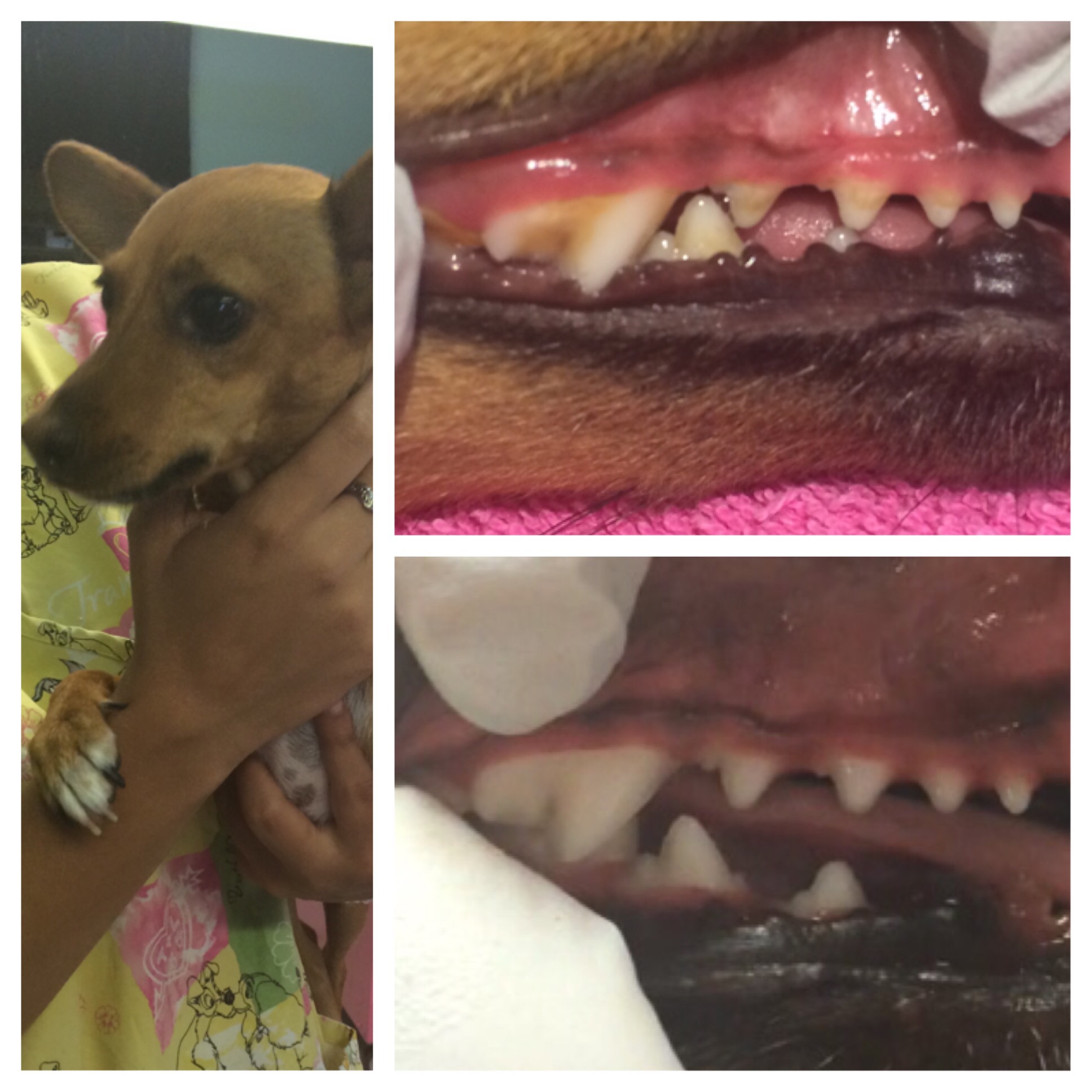
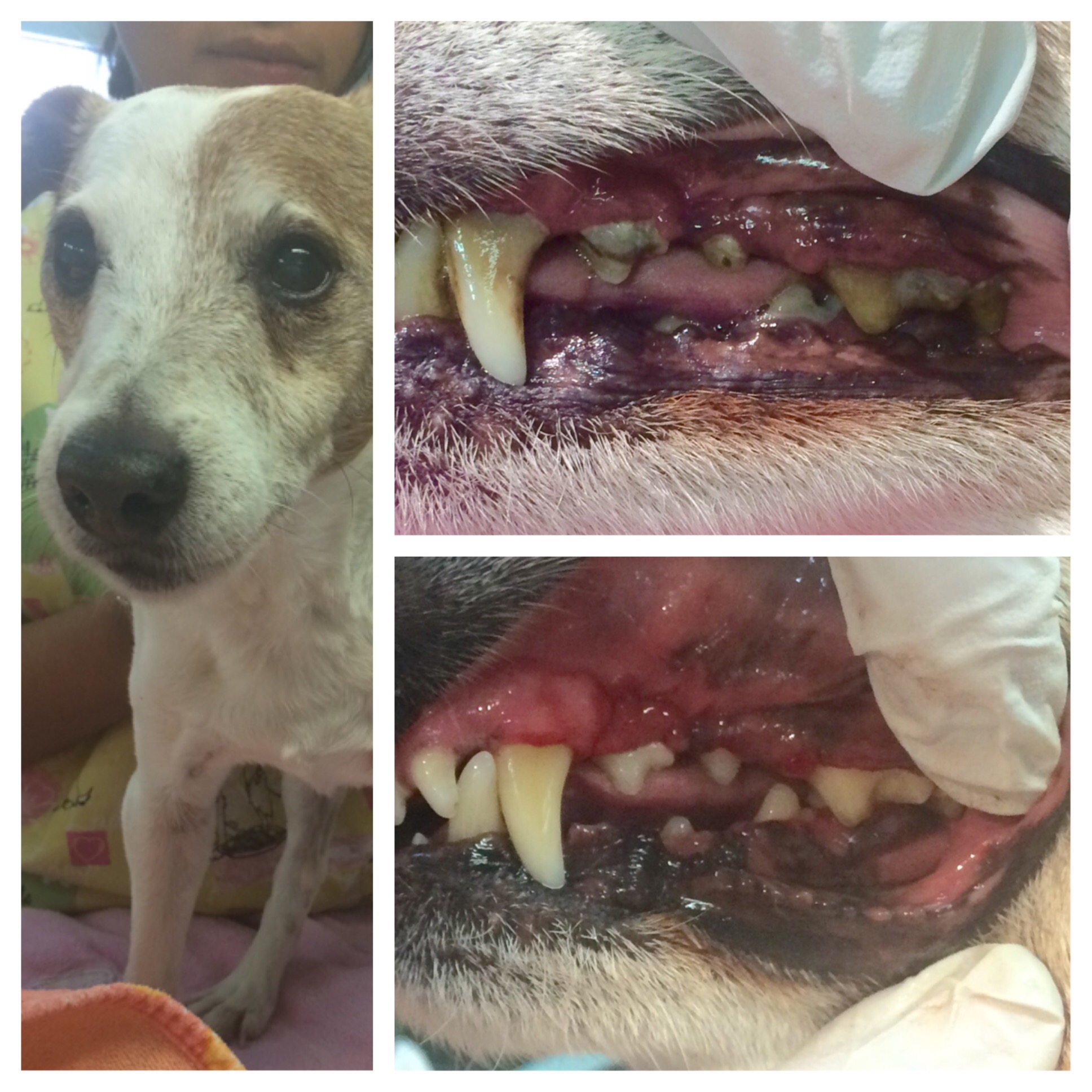

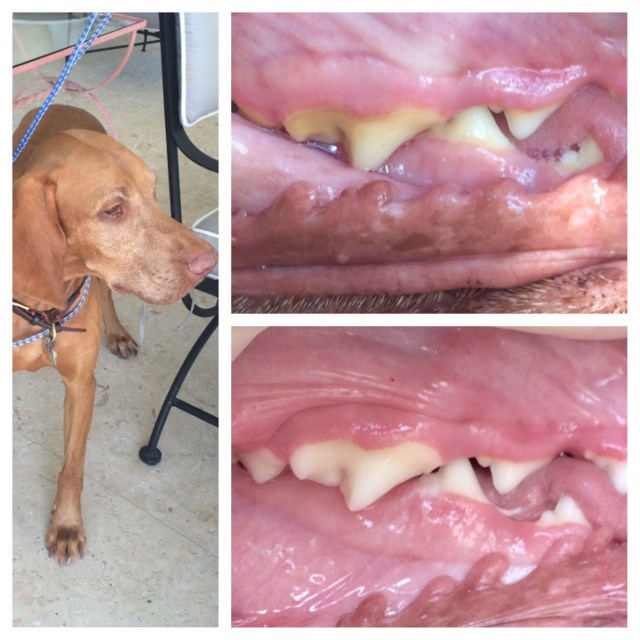


 Every Miami Natural Pet Care technicians are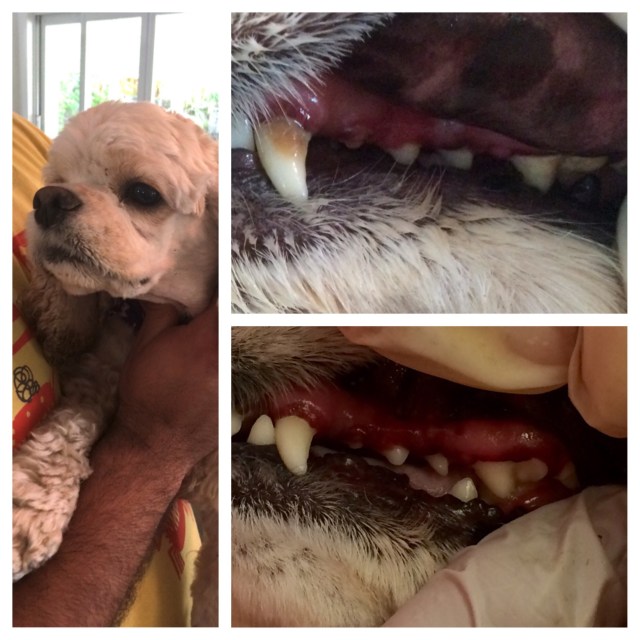


 Miami Natural Pet Care